
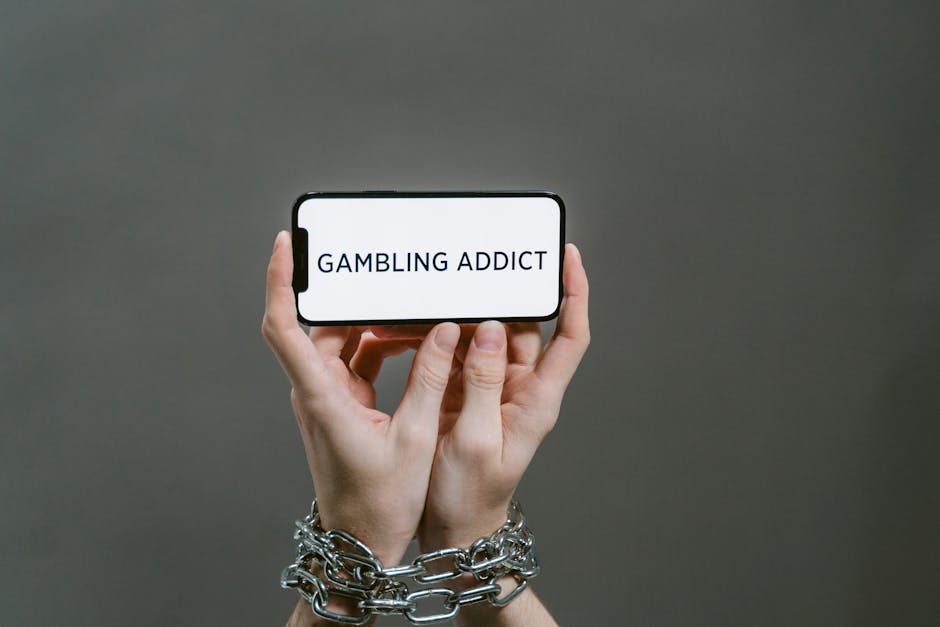
The Power of Persuasion in Gambling Advertising
Gambling ads aren’t just entertainment they’re engineered to hit the brain’s reward circuit. Marketers lean hard on psychological levers like urgency (“limited time bonus”), scarcity (“only a few spots left”), and the illusion of control (“your strategy matters”). These tactics aren’t new, but in gambling, they strike deeper. The goal isn’t just to get someone to click it’s to keep them playing.
Certain groups are hit harder than others. Young adults, especially men in sports heavy circles, are prime targets. Add in lower income audiences, and the pattern becomes clear: the message is often aimed where financial strain meets aspirational thinking. Promises of fast wins sell the idea of escape, even when the odds say otherwise.
The tricky part? It doesn’t always look like manipulation. The line between clever marketing and exploitation gets blurry when ads frame losses as close calls or dress gambling in the language of empowerment. Technically, it’s all promotion. Functionally, it’s a push toward high risk behavior. And that’s where the ethical alarms start ringing.
Shaping Perceptions and Normalizing Risk
Gambling ads don’t just sell a chance they sell a mindset. When people see the same flashy promises of quick wins over and over, the message sinks in. It stops feeling risky and starts feeling normal. The repetition blurs the line between entertainment and danger, especially when the story told is always about jackpots, never consequences.
The fine print? Barely registers. While ads technically include disclaimers, they’re often small, fast, or overshadowed by adrenaline heavy visuals and music. ‘Play responsibly’ gets one second. The winner’s roar gets ten. That imbalance matters. It’s not that the risks aren’t mentioned it’s that no one really hears them.
Then come the influencers and athletes. When someone’s favorite footballer posts about placing a smart bet or gets paid to wear a betting sponsor’s logo, it’s seen as cool, not cautionary. These endorsements gloss over danger in favor of lifestyle branding. For younger audiences especially, it makes gambling feel like part of the culture just another thing people do for fun, status, or community.
The cumulative effect isn’t accidental it’s designed. Repeated exposure wraps gambling in a cloak of normalcy. And the more normal it feels, the less guarded people become.
Ethical Red Flags in Sponsorships and Partnerships

Targeting Vulnerable Audiences: A Risky Alignment
One of the central ethical concerns in gambling sponsorships is the deliberate or careless targeting of vulnerable populations. These include individuals facing financial hardship, young adults, and those struggling with addiction. When gambling brands sponsor sports teams, online personalities, or public events, they often gain access to emotionally invested and impressionable audiences.
Key risks include:
Reinforcing risky behavior among individuals predisposed to addiction
Normalizing gambling by embedding it in everyday entertainment
Capitalizing on emotional loyalty, especially within fan communities
Beyond Marketing: A Matter of Responsibility
It’s no longer acceptable to frame these partnerships as “just advertising.” In an environment where access to betting is instant and heavily incentivized, the line between promotion and exploitation blurs quickly. When vulnerable groups are continuously exposed to gambling messages disguised as entertainment or loyalty, it raises serious ethical concerns.
At what point does marketing become manipulation?
When disclaimers are buried under bright offers and fast paced visuals
When calls to action are tied to emotional cues like team pride or social proof
When exposure is relentless, across platforms and age groups
Explore More: Deep Dive on Sponsorship Ethics
For a comprehensive look at these issues including case studies, regulatory responses, and possible solutions see our deep dive:
Read: Ethical Concerns in Gambling Sponsorships and Partnerships
This guide unpacks how the merging of money, media, and betting creates real dilemmas for both companies and consumers. The question isn’t just what’s allowed but what’s right.
The Real World Fallout
The link between gambling ad exposure and rising problem gambling rates isn’t just a theory it’s increasingly backed by data from public health reports and addiction centers. Ads don’t just attract existing gamblers; they create new ones by normalizing the behavior and wrapping risk in glamour and reward. The impact doesn’t end with the individual either.
When someone falls into a pattern of problem gambling, the fallout spreads. Families feel the strain first emotional stress, financial instability, broken trust. But it doesn’t stop at the front door. Communities start shouldering the cost through increased reliance on social services, housing support, and mental health care. You get higher debt defaults, lost productivity, and in some cases, crime linked to financial desperation.
So while gambling generates solid tax revenue and ad money flows freely, there’s a tradeoff quietly building underneath. Policymakers face two ledgers: the economic gains that appear above the surface, and the social costs that pile up below it. And right now, the second one is growing faster than most want to admit.
Can Ads Ever Be Ethical?
Right now, there’s no universal standard for regulating gambling ads. Rules vary wildly by region and platform what gets blocked in one country might be promoted in another. Some platforms leave it to advertisers to self regulate, which is a bit like asking the fox to guard the henhouse. This patchwork oversight opens the door for aggressive campaigns that cross ethical lines, especially on social media where younger audiences are hardest to protect.
Still, there’s movement. Some regulators are pushing for clearer disclaimers, required age gating, and limits on broadcast hours. A few platforms are experimenting with tighter ad review systems. Industry groups are also trying to clean house, at least on paper, with new guidelines meant to promote transparency and minimize harm.
The most promising fixes aren’t flashy. Think hard caps on ad spend, better content filters, rerouting some ad revenue into gambling addiction research and public education. These aren’t magic bullets, but they’re steps in the right direction.
For a deeper look at emerging solutions and ethical frameworks, check out this piece on gambling sponsorship ethics.
Where We Go From Here
Mounting Pressure on Industry and Regulators
Public concern about the societal impact of gambling advertising is reaching a tipping point. As research increasingly links ads to harmful behaviors, regulators and platforms are facing growing demands to reevaluate their policies.
Advocacy groups are calling for comprehensive ad reform
Some countries are considering outright bans during specific hours or events
Platforms like social media and sports broadcasting are being scrutinized for lax oversight
The environment is shifting, and stakeholders can no longer ignore the consequences of unchecked gambling promotion.
Imagining Ethical Advertising Standards
While an outright ban may not be feasible or effective in all cases, a more ethical approach to gambling advertising is possible and necessary.
Key components of ethical advertising might include:
Age Restrictions: Strict age verification and ad targeting that excludes minors
Content Transparency: Clear warnings and honest risk disclosures, not just fine print
Contextual Limits: Avoiding ads in programming likely watched by vulnerable audiences
Financial Boundaries: Limits on how much individual users are incentivized to spend
This ethical blueprint promotes informed decision making and reduces the glamorization that fuels addiction.
The Role of the Public
Ethical reform isn’t solely the responsibility of regulators or companies. Individuals play a critical role by staying informed and demanding change. Here’s what you can do:
Support policies and platforms that prioritize responsible marketing
Hold advertisers accountable by questioning manipulative messaging
Advocate for stronger consumer protections in your community and online
The future of gambling advertising hinges on collaboration between regulators, companies, and consumers willing to act.
By addressing these concerns proactively, society can begin to strike a more responsible balance between commercial interests and public well being.






















































































































































































































































































































































































































































































































































































































































































































































































































































































































































































































































































































































 Spenceronie Hubbard was a driving force behind Gamble Today Smart’s exploration of emerging technologies. With a forward-thinking approach, Spenceronie championed the integration of AI and blockchain into the platform, ensuring it stayed ahead of industry trends. His vision and technical expertise helped position Gamble Today Smart as a leader in tech-driven gambling innovation, making it a go-to resource for modern gamblers.