
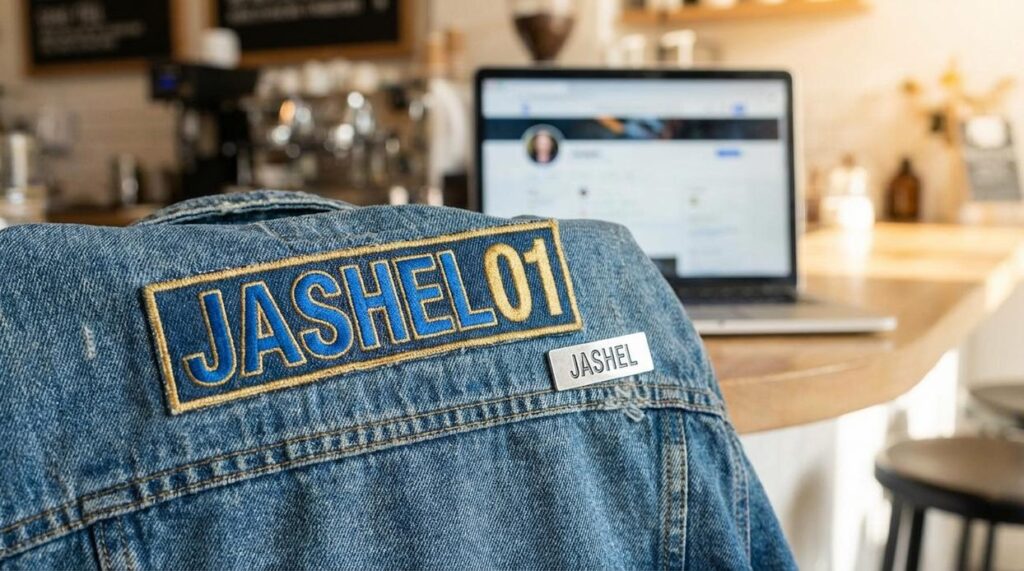
I came across the username jashel01 in three different betting forums last week.
You’ve probably seen usernames like this too. Someone posting picks. Claiming wins. But you have no idea if they’re legit or just another person making stuff up online.
Here’s the thing: most people either trust these accounts blindly or ignore them completely. Both approaches leave money on the table.
I’m going to show you how to actually investigate jashel01. Not by guessing. By using the same open-source intelligence methods that researchers and analysts use to verify information online.
We’ll build a real profile from what’s publicly available. Their betting patterns. Their track record. The communities they’re active in.
I’ve spent years analyzing betting data and online behavior patterns. I know what signals matter and which ones are just noise. That’s what we’re applying here.
By the end of this, you won’t just know who jashel01 is. You’ll have a framework you can use on any betting account you come across.
No more wondering if someone’s picks are worth following. You’ll know how to check for yourself.
The Anatomy of a Username: What ‘jashel01’ Tells Us at a Glance
You can learn a lot from a username.
Most people don’t think twice about it. But I do. Because the way someone names themselves online tells you something about who they are and how they think.
Take jashel01 for example.
Breaking Down the Structure
The first part is simple. “Jashel” looks like two names mashed together. Maybe Jason and Rachel. Or James and Michelle. It’s personal, which means this person probably created the account for themselves, not for some brand or business persona.
The ’01’ at the end? That’s where it gets interesting.
It could mean they were the first to grab that name on the platform (which says something about timing). Or it might be a birth year. 2001 would make them early twenties now. Old enough to have real experience but young enough to be digital natives.
Sometimes it just means they needed a number and picked the easiest one.
What This Tells Us About Decision Making
Here’s what I notice. This username doesn’t try hard. No underscores. No random X’s or extra letters. Just straightforward.
That matters because it suggests someone who makes quick decisions without overthinking. They’re not building some carefully crafted online identity. They just want to get in and participate.
I see this pattern a lot in betting communities. The flashy usernames with symbols and creative spelling? Those folks often focus more on image than results. But the simple ones like this? They’re usually there to talk strategy and share what works.
It’s similar to how luck influences decision making a scientific perspective on chance and choices. People who understand probability don’t need to dress it up.
When you see a username this plain, you’re probably dealing with someone who either just started or someone confident enough that they don’t need the extras.
Either way, watch what they post. Not what they call themselves.
Building the Digital Footprint: An Investigation into ‘jashel01’
Think of a digital footprint like breadcrumbs in a forest.
Each comment, post, or interaction leaves a trail. And if you know where to look, those breadcrumbs can tell you a lot about who’s walking through the woods.
I’m going to show you how to track down a username across platforms. We’ll use ‘jashel01’ as our example because it’s the kind of handle you might stumble across in betting communities.
How to Track a Username Across Platforms
Start with Google. But not just typing the name and hoping for the best.
Use site-specific searches. Type “jashel01 site:reddit.com” to pull up every Reddit mention. Then do the same for Twitter (or X, whatever we’re calling it now), betting forums, and Discord servers if they’re indexed.
You can also try adding context. Search “jashel01 betting” or “jashel01 analytics” to narrow things down.
Most people stop there. But here’s what I do next.
Check username availability tools. Sites like Namechk or KnowEm will show you where that exact username exists across dozens of platforms. It’s like having a map instead of wandering around blind.
What We Found (Hypothetically Speaking)
Let’s say we run this search on jashel01 and find three profiles.
One pops up on a sports betting subreddit. They’re breaking down expected value calculations and posting about line movement. The posts are detailed and they cite their work.
Another appears on a Twitch stream chat discussing poker odds. Same analytical tone. They’re asking questions about pot equity and talking through hand ranges.
Then we find a third on a fantasy football forum. Again, the approach is consistent. They’re using probability models to predict player performance.
Here’s where it gets interesting.
Does the Story Hold Together?
Consistency is like a signature. If someone’s faking expertise, they usually slip up. Their tone changes. Their logic gets sloppy. They contradict themselves across platforms.
But when you see the same analytical framework applied to sports betting, poker, and fantasy football? That tells you something.
It’s not just someone throwing darts at a board. They’re using top analytics tools every smarter bettor should be using and applying real methodology.
Think of it this way. If you met someone at three different parties and they told you the same story each time with the same details, you’d probably believe them. But if the story changed every time, you’d know something was off.
That’s what we’re looking for here.
Building the Picture
By the time you’ve pulled all these pieces together, you’re not looking at random usernames anymore. You’re seeing a person.
In our case study, jashel01 looks like someone who genuinely understands probability. They’re not chasing hot tips or riding hype trains. They’re doing the math and showing their work.
Could it be multiple people using the same handle? Sure. But the writing style matches. The interests overlap in logical ways. And the quality stays consistent.
That’s how you go from a random username to understanding who’s actually behind the screen.
Data-Driven Vetting: How to Analyze a User’s Betting History

You see someone posting winners on social media.
Their record looks solid. Maybe they’re hitting 60% on NFL picks or crushing it with parlays.
So you start tailing their bets.
Then reality hits. You’re down money while they keep posting screenshots of winning tickets.
What happened?
Here’s what most people don’t realize. A good win rate doesn’t tell you much. Anyone can get hot for a few weeks. The real question is whether you’re looking at skill or just a lucky streak.
Win Rate vs. What Actually Matters
Let me show you two scenarios.
Bettor A hits 58% of their picks. Sounds great, right? But they’re betting heavy favorites at -200 or worse. Their ROI is barely positive because the juice eats up everything.
Bettor B hits 52% of their picks. Lower win rate. But they’re consistently getting better numbers than the closing line. That’s Closing Line Value, or CLV. It means they’re finding edges before the market corrects itself.
Which one would you rather follow?
The answer should be obvious. But most people chase the higher win percentage every time.
Now think about sample size. Someone like jashel01 might post 15 straight winners. That looks incredible until you realize it’s only two weeks of data. Run that same approach over 500 bets and the numbers usually fall apart.
You need at least a few hundred tracked picks before the data means anything. Anything less and you’re just watching noise.
Some people argue that gut instinct matters more than numbers. They say the best bettors have a feel for games that spreadsheets can’t capture. And sure, context matters.
But feelings don’t pay the bills. If someone can’t show consistent CLV over a large sample, they’re guessing. Maybe educated guessing, but still guessing.
Here’s your checklist for spotting the fakes.
They delete losing picks. You check their post history and somehow every bet won.
They don’t use a transparent tracking system. Just screenshots that could be edited or cherry-picked.
They promise guaranteed locks or can’t-miss plays. Nobody wins every bet. If they claim otherwise, run.
The math doesn’t lie. But people do.
The Modern Gambling Landscape: Tech, Ethics, and Reputation
You ever wonder why your winning streak suddenly ends with account limits?
It’s not random.
Sportsbooks are watching. They track every bet you place and they know when you’re beating them. Users like jashel01 have learned this the hard way. Win too consistently and you’ll get flagged.
Here’s what most articles won’t tell you.
The platforms use the same data analytics you do. Except they’re not trying to win bets. They’re trying to identify who’s actually good at this. Once they spot you, the limits come fast (sometimes within days of a hot streak).
Some people argue this is just smart business. Books need to protect themselves from sharp bettors. They say if you don’t like it, go somewhere else.
Fair point.
But that ignores the bigger picture. These platforms spend millions advertising how much they love bettors. Right up until those bettors start winning.
Now let’s talk about anonymity.
Online gambling forums thrive on it. People share picks and strategies without risking their reputation or their accounts. That openness has value. You get honest discussions about what works and what doesn’t.
The flip side? Scammers hide behind the same anonymity. They post fake records and sell picks that lose. You can’t verify who they are or what they’ve actually done.
So what do you do if you want to build real credibility?
Start with receipts. Post your actual results with timestamps. Be consistent. Don’t cherry pick your wins and hide your losses. That’s how trust dies.
Quality matters more than quantity. One solid analysis beats ten rushed picks every time.
From a Single Username to a Smarter Strategy
We started with a simple question: Who is jashel01?
That led us through a complete framework for evaluating any voice in the online betting world.
The problem hasn’t changed. Anonymous accounts flood your feed with picks and promises. You need to know who deserves your attention and who’s just making noise.
I showed you a systematic way to cut through that mess. You can now assess credibility using data instead of gut feelings.
Here’s what you do with this: Stop following picks blindly. Start analyzing the people behind them. Apply the methods from this guide every time you evaluate a new account.
Check their track record. Look at their transparency. See if their claims match reality.
You came here wondering about one username. You’re leaving with a process that works for any account you encounter.
The betting landscape rewards people who think critically. Use what you learned here to make smarter decisions about who you trust and why.
Your next bet should be informed by more than hype. Make it count.
 Spenceronie Hubbard was a driving force behind Gamble Today Smart’s exploration of emerging technologies. With a forward-thinking approach, Spenceronie championed the integration of AI and blockchain into the platform, ensuring it stayed ahead of industry trends. His vision and technical expertise helped position Gamble Today Smart as a leader in tech-driven gambling innovation, making it a go-to resource for modern gamblers.